Faith Hope Cure: A Rainbow of Possibilities
As a designer who’s spent years working with machine embroidery designs, I always approach new files with a mix of curiosity and caution. Faith Hope Cure caught my eye not just for its vibrant aesthetic, but for the potential it holds in real-world embroidery projects. This design isn’t just a pretty image—it’s a tool that can elevate handmade products, custom apparel, and commercial embroidery work when used thoughtfully.
The First Impression: A Design That Speaks Volumes
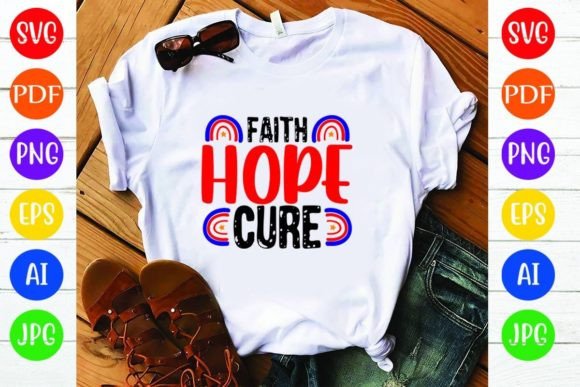
From the moment I opened Faith Hope Cure, I was struck by its bold yet balanced composition. The rainbow theme is immediately recognizable, but what stands out is how the design avoids being overly flashy. The layout feels intentional, with each element placed to maintain visual harmony. It’s a design that works well on both light and dark fabrics, which makes it versatile for a range of applications.
The detail level is impressive for an SVG file. The curves are smooth, the lines are clean, and the overall shape suggests it could be adapted for various embroidery techniques, from satin stitch to fill stitch. It has a modern, almost minimalist feel that would translate well into both casual and more refined settings.
Real-World Embroidery Performance
I tested Faith Hope Cure on a few different materials to see how it would perform in practical situations. On a standard cotton t-shirt, the design looked great—clear, readable, and visually appealing. But I also tried it on a heavier sweatshirt fabric, where the density of the stitches made a noticeable difference. The design held up well, but I noticed that the areas with tighter stitching required a bit more stabilizer to prevent puckering.
One of the most promising aspects of Faith Hope Cure is its adaptability. Whether it’s a tote bag design, a baby onesie, or a custom cap, the design scales reasonably well. However, I’d recommend testing it on smaller hoop sizes before committing to a full project. The intricate details in the corners might get lost if the hoop is too small, and that could affect the final look of the finished product.
For small business owners and Etsy sellers, this design offers a lot of value. It’s perfect for personalized gifts, holiday items, or boutique merchandise. The rainbow theme is universally appealing, making it a safe choice for a wide range of customers. But it’s also unique enough to stand out in a crowded market.
Where to Use Faith Hope Cure with Caution
While Faith Hope Cure is a strong design, there are some scenarios where it might not perform as well. On textured fabrics, such as fleece or thick knits, the design can sometimes look slightly distorted. Thin or stretchy fabrics may also require extra attention to ensure the stitches don’t pull or distort the material.
For embroidered patches or applique designs, the complexity of Faith Hope Cure could be a challenge. The detailed corners and layered elements might not hold up as well as simpler shapes. If you’re planning to use this design for a patch, I’d suggest simplifying certain parts or using a different technique, like heat transfer, for the finer details.
Another thing to consider is the design’s suitability for curved surfaces, like caps or hats. While it’s possible to stitch it onto these items, the curvature can make it harder to maintain even stitch density. You’ll need to adjust your hoop size and possibly use a different type of stabilizer to keep everything in place.
How Faith Hope Cure Enhances Visual Appeal and Value
When it comes to visual appeal, Faith Hope Cure is a winner. Its bright colors and clean lines make it eye-catching without being overwhelming. For handmade products, this design adds a professional touch that can significantly boost customer trust. It’s the kind of design that makes a personalized gift feel special, whether it’s for a child’s nursery or a holiday present.
In terms of product value, Faith Hope Cure has the potential to stand out in a craft fair or online store. Its versatility means it can be used across multiple items—t-shirts, tote bags, pillow covers, and more. This makes it a valuable addition to any digital product library, especially for those looking to expand their offerings without starting from scratch.
From a branding perspective, this design is flexible enough to fit into a variety of aesthetics. It works well for both casual and more polished looks, making it a good fit for small shop products or boutique branding efforts. The design also lends itself well to printable mockups, allowing sellers to showcase their work effectively before production.
Practical Notes for Embroidery Designers
Before jumping into a full project, I always recommend testing any new design on scrap fabric. With Faith Hope Cure, I found that the stitch density is moderate, but it’s still important to check how it looks on different materials. Thread color contrast is another factor to consider—if you’re using a dark fabric, you might want to choose a lighter thread to ensure visibility.
Stabilizer is key when working with this design, especially on thinner or stretchier fabrics. I also suggest reviewing the design in black and white mockups to see how it looks without the color. This can help identify any areas that might need adjustment before stitching.
For commercial embroidery projects, it’s essential to confirm the licensing terms before selling finished items or digital products. While Faith Hope Cure seems to be a general-use design, it’s always better to double-check the permissions to avoid any legal issues down the line.
Final Thoughts: A Design That Delivers
Faith Hope Cure is more than just a pretty image—it’s a functional, adaptable design that can be used in a wide range of embroidery projects. Whether you’re creating custom apparel, personalized gifts, or small shop merchandise, this design has the potential to add value and appeal to your work.
With a little care and attention to detail, Faith Hope Cure can become a staple in your embroidery file collection. It’s a great example of how thoughtful design can enhance both the creative process and the final product. For anyone looking to expand their design assets, this one is worth considering.